


How to Choose the Right Washing Machine: A Practical Buying Guide
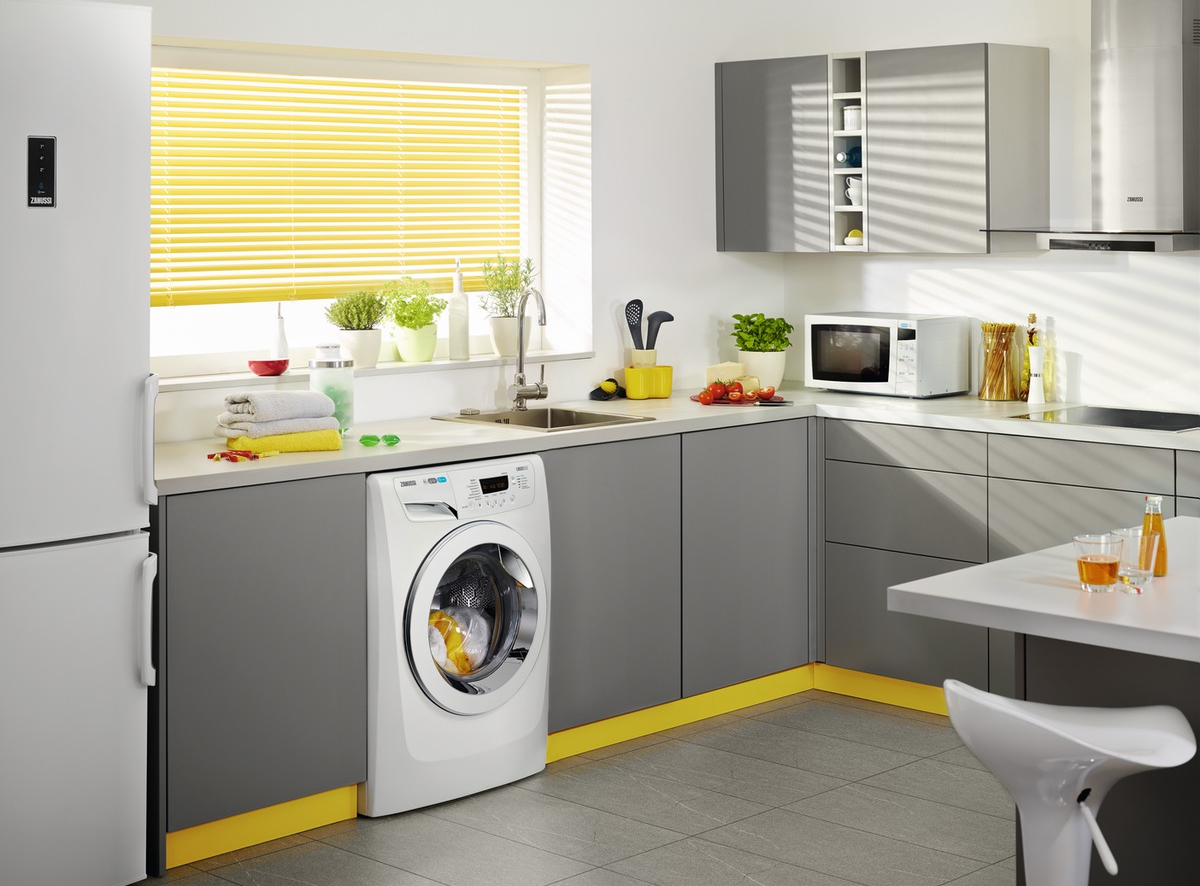
Choosing a washing machine depends on your household size, laundry habits, available space, and preferred features. Understanding capacity, machine types, and key functions will help you select a washer that suits your daily needs and makes laundry easier.
Before choosing a washing machine, it helps to ask:
- How much laundry do I wash each week?
- How many people are in my household?
- Do I need space-saving or high-capacity solutions?
- Do I prioritise convenience, speed, or efficiency?
This guide walks you through each factor so you can make a confident decision.
1. What Does Washing Machine Capacity Mean?
The capacity in kgs of a washing machine simply refers to the maximum amount of clothes can be washed in one cycle. The washing machine’s load capacity is always measured by the weight of the dry laundry. For example, if yours is a 7kg washing machine, you can load up to 7kg of dry clothes in each cycle.
Choosing the right capacity ensures:
- Clothes are cleaned properly
- The machine runs efficiently
- Fabrics are not over-stressed
How to choose washing machine capacity by household size?
Now that you have an idea of what washing capacity is, here is a washing machine capacity selection guide according to family size:
| Household size | Recommended capacity |
| 1–2 people | 6–7kg |
| 2–3 people | 7–8kg |
| 3–5 people | 8–9kg |
| 5+ people | 10kg+ |
How to choose washing machine capacity by laundry habit?
If you:
- Wash frequently with small loads → smaller capacity works well
- Wash less often but in bulk → larger capacity is more practical
- Wash bedding or bulky items → consider 9kg or above
Modern machines can adjust water and energy automatically, so choosing a slightly larger capacity can offer more flexibility.
2. How Many Clothes Fit in a Washing Machine?
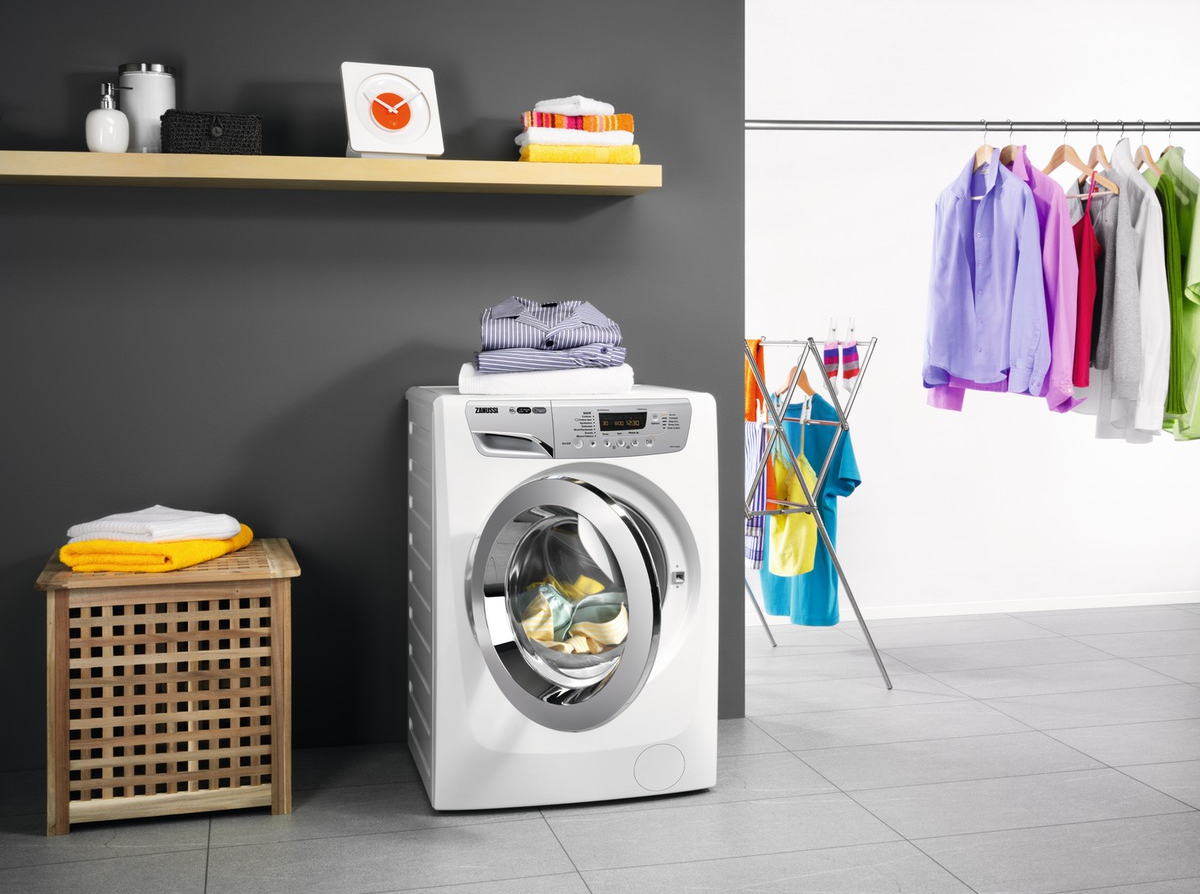
Here is a washing machine load size chart noted for each cycle for your reference:
| Washing machine capacity | How many clothes |
| 6-7kg washing machines | 20 clothes |
| 7-8kg washing machines | 30-35 clothes |
| 8-9kg washing machines | 40 clothes |
| 10+ kg washing machines | 50 clothes |
To give you a more itemized idea, here is a breakdown of what various load sizes might look like:
| Load capacity | How it might look like |
| 20 clothes | 2 shirts, 2 trousers, 2 bath towels, 2 hand towels, 2 pillow covers, 1 large bedsheet |
| 30-35 clothes | 2 shirts, 2 pairs of denims, 2 pairs of children’s jeans, 2 bath towels, 2 pillow covers, 2 bedsheets |
| 40 clothes | 3 shirts, 3 pairs of adult denims, 3 small towels, 3 pillow covers, 3 bath towels, 2 bedsheets |
| 50 clothes | 4 shirt, 4 pairs of adult denims, 4 small towels, 4 bath towels, 4 pillow covers, 3 bedsheets |
3. What Are the Different Types of Washing Machines?
Semi-Automatic washing machine
Semi-automatic washing machines, also known as twin tub washers in some markets, normally come with two tubs, one for washing and another for drying.
With this structure, a semi-automatic washing machine requires a lot of manual labour as you have to put your clothes in the washing-tub first, and then manually move the washed laundry to the drying-tub.
Fully automatic washing machine
In contrast, fully automatic washing machines automate the entire washing process, requiring minimal human intervention.
Depending on where clothes are loaded, fully automatic washing machines are divided into two types as follow:
- Top load washing machine: Washing tub sits vertically in the machine and laundry is loaded from the top.
- Front loading washing machine: The drum sits vertically in the machine and laundry is loaded from the front.
Read more: 10 key differences between top load vs front load washers
4. What Features Should You Look For?
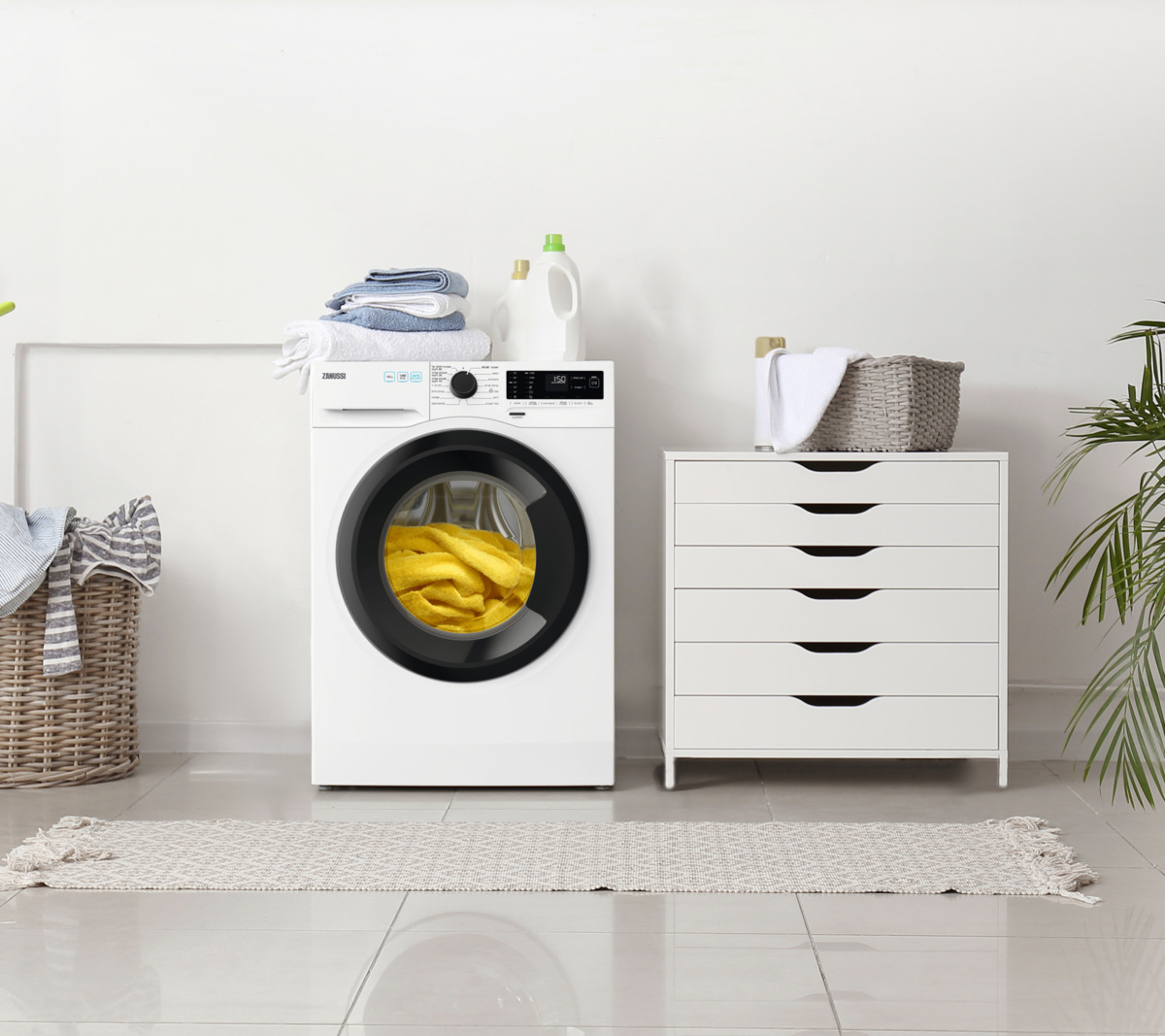
Modern washing machines are designed to simplify everyday laundry.
- Quick wash programs for lightly soiled clothes
- Steam functions to reduce wrinkles and improve hygiene
- Automatic load sensing to adjust water and energy
- Self-cleaning cycles to keep the drum fresh
- Gentle care programs for delicate fabrics
Many Zanussi washing machines include practical features designed to make laundry easier, especially for busy households.
5. What Spin Speed (RPM) Is Right?
Spin speed determines how much water is removed from clothes.
- Higher RPM → faster drying
- Lower RPM → gentler on delicate fabrics
| Fabric type | Recommended RPM |
| Delicates | 400–600 |
| Wool | 700–900 |
| Everyday clothing | 800–1000 |
| Heavy items (jeans, towels) | 900–1200 |
Choosing the right RPM helps protect your clothes while improving drying efficiency.
6. Why Energy Efficiency Matters
In Egypt, choosing an energy-efficient washing machine is not just about sustainability—it directly impacts your monthly electricity and water bills.
With rising utility costs and frequent use of appliances in daily life, an efficient washing machine can make a noticeable difference over time.
Globally, washing machines are often rated using energy labels such as the EU Energy Efficiency Index (EEI), which ranks appliances from high to low efficiency.
- Higher ratings (A or above) = lower energy consumption
- Lower ratings = higher electricity usage
Zanussi washing machines with inverter motors are designed to optimise power usage by adjusting energy based on each load, helping to reduce unnecessary consumption while maintaining effective cleaning. With this technology, you can save up to 60% energy compared to conventional models, making everyday laundry more efficient and cost-effective.
Read more: 8 tips on how to save electricity when using automatic washing machine.
7. How to Set Your Budget
Your budget should reflect both upfront cost and long-term value.
- Top load machines → lower initial cost
- Front load machines → higher efficiency and savings over time
Choosing a reliable machine can reduce maintenance and replacement costs in the future.
Explore our collection of Zanussi washing machines which are available at affordable prices and incorporate the latest washing technologies to ensure high energy efficiency
1. Zanussi Perlamax 7kg front load washing machine – Silver
Best for:
Small households or couples who want a compact, easy-to-use washer with strong hygiene and fabric care.
Key features:
- Perla-Max technology enhances detergent distribution for more effective everyday cleaning
- Hygienic wash at 40°C removes up to 99.9% of bacteria without high heat
- Steam option helps reduce wrinkles and refresh clothes after washing
- XXL door design makes loading bulky items easier
- Quick add function lets you add forgotten clothes within the first 10–15 minutes
2. Zanussi SteamMax 9kg front load washing machine – Dark Grey
Best for:
Medium to large families who need high capacity, energy savings, and smart convenience for frequent loads.
Key features:
- PMM inverter motor delivers quieter performance and up to 60% energy savings
- Large 9kg capacity handles bulky laundry like bedding and towels with ease
- Custom program memory lets you save your favorite settings for faster daily use
- Steam function refreshes clothes and reduces creases for less ironing
- Flexible loading allows adding items mid-cycle within the first 10–15 minutes
3. Zanussi SteamMax 8kg front load washing machine – Silver (Inverter Motor)
Best for:
Families looking for a balanced washer with hygiene-focused cleaning and energy-efficient performance.
Key features:
- PMM inverter motor ensures efficient, durable, and quieter operation
- Hygienic cleaning at 40°C removes up to 99.9% of bacteria for added peace of mind
- Steam care function helps soften fabrics and reduce wrinkles
- Favorite program setting simplifies repeat washing routines
- Add garment feature allows flexibility during the first 10–15 minutes of the cycle
8. What Else Should You Check Before Buying?
Before making a final decision:
- Read customer reviews
- Check warranty and service availability
- Visit a store if you prefer to see the product in person.
- Reliable after-sales support can make a big difference over time.
Frequently Asked Questions
1. What is the standard size of a front load washing machine?
Most front load washing machines are around 565–600 mm wide, 840–850 mm high, and 400–615 mm deep.
2. How many clothes can be put in a 6kg or 7kg washing machine?
A 6–7kg washing machine can handle around 20 items per load, depending on fabric type.
3. Is a larger washing machine always better?
Not necessarily. A larger capacity is helpful for bulky items, but choosing the right size for your household ensures better efficiency.
Validate your login