


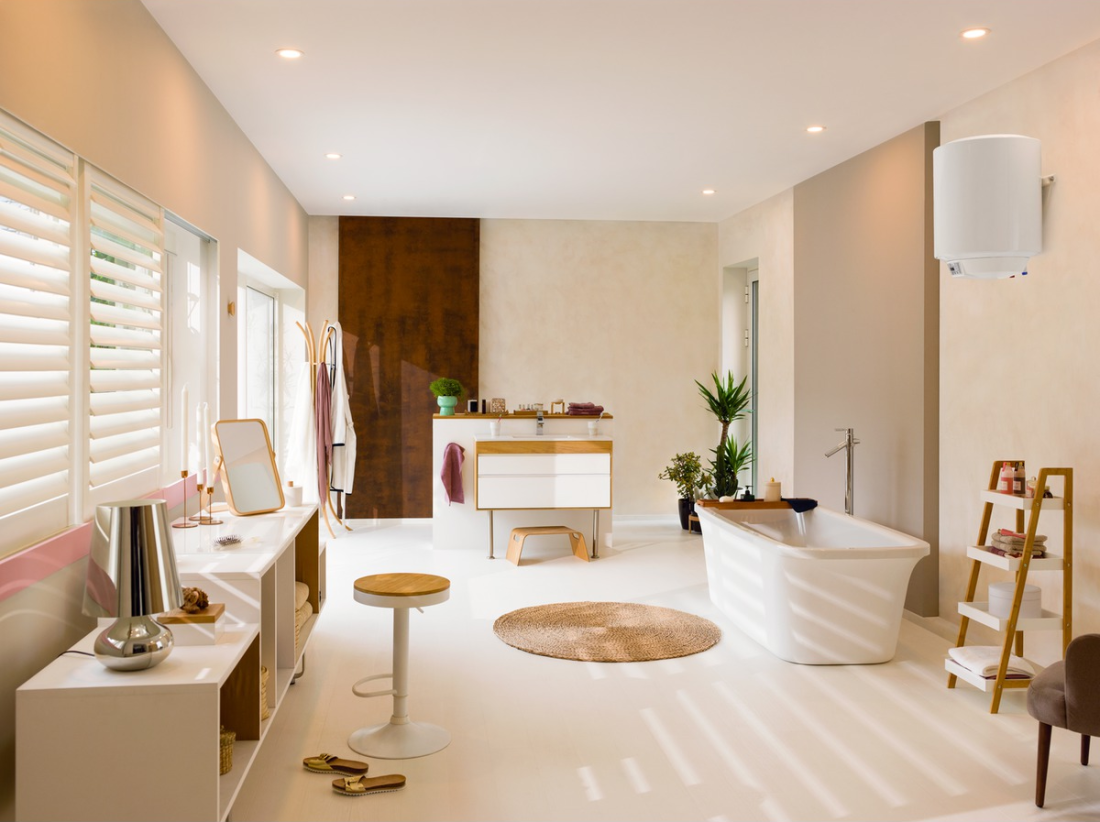
Frequent use of water heaters can increase electricity or gas consumption, especially during colder months in Egypt. Understanding how to use a water heater efficiently can help reduce energy bills, improve safety, and keep the appliance working properly for a longer time.
Read our article from Zanussi Egypt to discover simple and practical tips that can help you get the best performance from your water heater.
Quick summary
- Set the water heater to a moderate temperature
- Turn the heater off when not in use
- Choose the right water heater capacity for your household
- Fix leaking taps and water connections
- Reduce unnecessary hot water usage
- Clean and maintain the water heater regularly
- Use energy-saving modes if available
Why Water Heater Efficiency Matters
Using a water heater inefficiently can lead to unnecessary electricity or gas consumption and higher monthly utility bills. Small habits such as leaving the heater running for long periods or skipping regular maintenance may also affect the appliance’s performance over time.
Understanding how to use a water heater efficiently can help reduce energy costs, improve safety, and extend the lifespan of the appliance. With a few simple adjustments and proper care, you can enjoy reliable hot water while keeping your water heater working efficiently for longer.
9 Practical Tips to Use Your Water Heater Efficiently
1. Set the Right Temperature
Setting your water heater temperature too high may increase electricity or gas consumption unnecessarily. Choosing a moderate temperature can help balance comfort and energy efficiency while also reducing the risk of overheating or accidental burns.
2. Turn Off the Heater When Not in Use
If you are using a storage water heater, leaving it running all day may lead to unnecessary energy consumption. Turning the heater off when it is not needed can help reduce standby energy waste and lower utility bills.
3. Use the Right Capacity for Your Needs
Choosing a water heater with a suitable capacity for your household helps avoid heating more water than necessary. A properly sized water heater can improve efficiency and provide enough hot water without excessive energy usage.
4. Take Shorter Showers
Reducing shower time is one of the simplest ways to save both water and energy. Shorter showers help decrease the amount of hot water used daily, which reduces the workload on the water heater.
5. Fix Leaks and Dripping Taps
Leaking taps may seem like a small issue, but they can waste a significant amount of hot water over time. Fixing leaks quickly helps prevent unnecessary heating cycles and improves overall water heater efficiency.
6. Insulate Pipes and the Heater
Insulating hot water pipes and the water heater itself can help reduce heat loss, especially during colder weather. This allows hot water to stay warmer for longer and helps the heater operate more efficiently.
7. Use Eco or Energy-Saving Modes
Many modern water heaters come with eco or energy-saving settings designed to reduce power consumption. Using these modes can help improve efficiency while still providing comfortable hot water for daily use.
8. Install the Heater Close to Usage Points
Installing the water heater closer to bathrooms or kitchens can help reduce heat loss through long pipes. It may also reduce the time needed for hot water to reach taps and showers.
9. Upgrade to an Energy-Efficient Model
Older water heaters may consume more electricity or gas compared to newer energy-efficient models. Upgrading to a modern water heater from Zanussi Egypt can help improve performance, reduce energy consumption, and provide reliable hot water for everyday use.
How to Maintain Your Water Heater for Better Efficiency
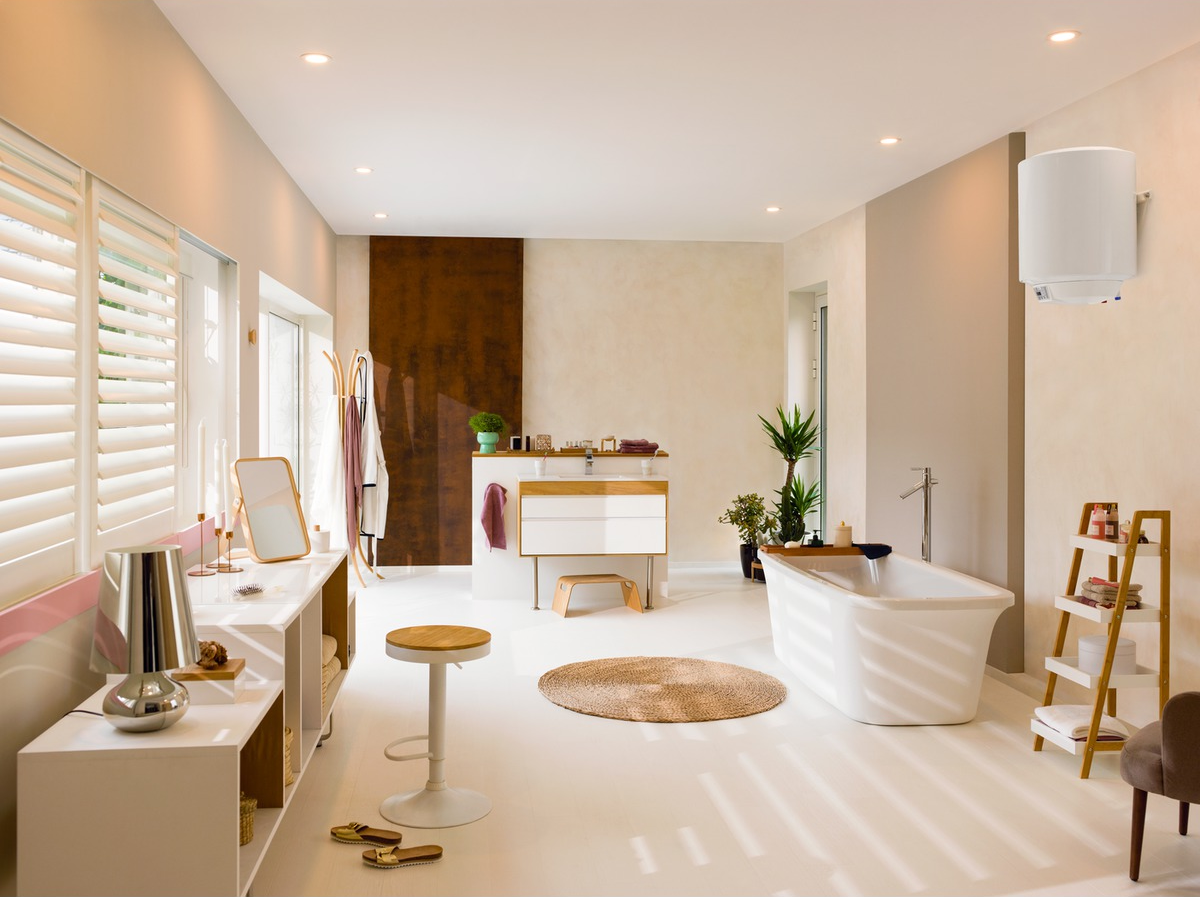
Regular maintenance can help improve water heater efficiency and extend the appliance’s lifespan. Here are some important maintenance tips to follow:
- Remove limescale buildup regularly: In Egypt, hard water may cause limescale buildup over time, which can affect heating performance and increase energy consumption.
- Flush storage tanks periodically: Cleaning the tank can help remove sediment buildup that may reduce heating efficiency.
- Check safety valves: Regular inspection helps make sure the water heater is operating safely and properly.
- Inspect gas connections carefully: For gas water heaters, checking for leaks and inspecting gas connections should preferably be done by a qualified technician.
- Schedule annual servicing: Professional servicing can help detect potential problems early and keep the water heater running efficiently for longer.
>>> Read more: 8 tips on how to save electricity when using a washing machine.
Common Mistakes That Waste Energy
Some everyday habits may increase water heater energy consumption and lead to higher utility bills. Here are some common mistakes to avoid:
- Leaving the heater turned on for long periods: This may lead to unnecessary electricity or gas consumption, especially when hot water is not needed.
- Setting the temperature too high: Overheating water may waste energy and increase running costs unnecessarily.
- Using the wrong water heater capacity: A larger heater may consume more energy by heating excess water that is not being used.
- Skipping regular maintenance: Limescale buildup and hidden issues may reduce heating performance and efficiency over time.
- Poor installation location: Installing the heater far from bathrooms or kitchens may lead to heat loss through long water pipes before hot water reaches the tap or shower.
When Should You Upgrade Your Water Heater?
Over time, older water heaters may become less efficient and more expensive to operate. If you notice any of the following signs, it may be time to consider replacing your appliance:
- Slow water heating that takes longer than usual to provide hot water
- Inconsistent water temperature during showers or daily use
- Increasing electricity or gas bills despite normal usage habits
- Frequent breakdowns or repeated repair needs
- Unusual noises caused by sediment or limescale buildup inside the heater
- Water leaks or visible signs of wear around the appliance
- Outdated models that may consume more energy compared to newer water heaters
Upgrading your water heater at the right time can help improve efficiency, reduce maintenance problems, and provide a more reliable hot water experience at home.
>>> Read more: How to Operate an Automatic Washing Machine: Easy Step-by-Step Guide.
Why Choose Zanussi Water Heaters?
At Zanussi Egypt, water heaters are designed to provide reliable heating performance while helping households improve energy efficiency and everyday comfort.
Some benefits of Zanussi water heaters include:
- Smart mode that can help save up to 20% electricity during daily use
- MY MODE settings that allow you to set preferred heating periods based on your daily routine
- DIGITAL PRO temperature display for easier monitoring and control
- SHIELD SYSTEM salt-resistant enamel designed to support long-lasting performance
- Built-in safety features for safer everyday operation
- Reliable heating performance suitable for different household needs
With built-in safety features, durable materials, and efficient heating performance, Zanussi water heaters are designed to support comfortable everyday use for years to come.
Explore Zanussi water heaters to find the right model for your home.
FAQs About water heater efficiency
Check for clogged pipes, blocked shower heads, or partially closed water valves. If water pressure is consistently low, installing a water pressure pump may help improve the heater’s performance.
Limescale buildup, faulty heating elements, thermostat issues, or low gas pressure may affect heating performance. Regular maintenance can help prevent many of these problems.
Water heaters need stable water pressure to operate properly. The recommended pressure level may vary depending on the model, so it is best to check the product manual or contact a technician.
Install the water heater close to bathrooms or kitchens to reduce heat loss and improve efficiency. The area should also be well ventilated and easy to access for maintenance.
Validate your login