


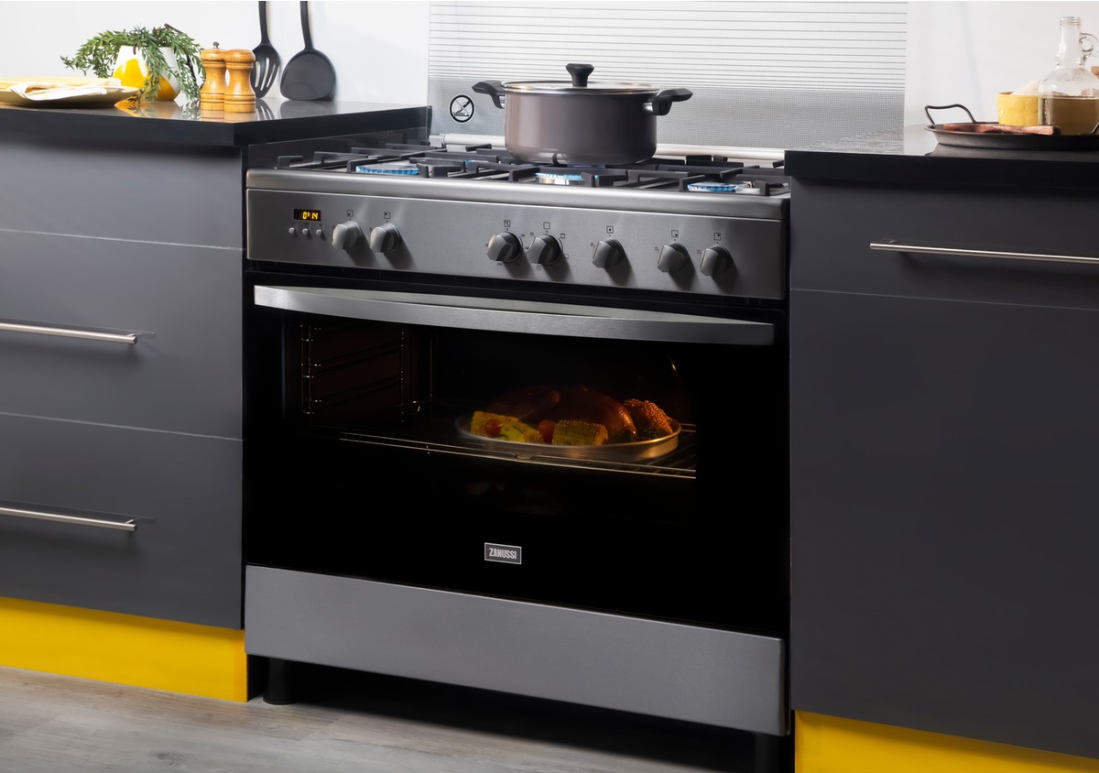
Keeping your cooker clean helps remove grease, food residue, and buildup that can accumulate during everyday cooking. Regular cleaning can also make your kitchen more hygienic and help maintain your cooker’s appearance and performance
Whether you have a freestanding cooker or a built-in gas cooker, the cleaning process is straightforward when you use the right methods and products.
Why Is It Important to Clean Your Cooker Regularly?
Your cooker comes into contact with food, oil, grease, and heat every day. Without regular cleaning, residue can build up around the cooking surface, burners, pan supports, and controls.
Regular cooker cleaning can help:
- Remove grease and food residue
- Prevent stubborn buildup
- Keep gas burners free from food debris
- Maintain a cleaner cooking surface
- Make everyday cooking more comfortable
- Keep your cooker looking its best
Cleaning small spills regularly also makes deep cleaning easier later.
What Do You Need to Clean a Cooker?
Before you start, prepare a few simple cleaning supplies:
- Warm water
- Mild dishwashing liquid
- Microfibre cloth
- Soft sponge
- Small soft brush
- Non-abrasive cleaner, where suitable
Always check your cooker’s care and cleaning instructions before using a cleaning product.
Safety first: Switch off the cooker and allow all surfaces, burners, pan supports, and other components to cool completely before cleaning. If you are cleaning a gas cooker, make sure the gas supply is safely switched off where required.
How to Clean a Cooker Step by Step
Follow these simple steps to clean the main areas of your cooker.
Step 1: Remove Loose Food and Grease
Start by removing loose food particles and crumbs from the cooking surface.
Use a dry or slightly damp microfibre cloth to wipe away loose debris. For grease or dried food, use warm soapy water to soften the residue before wiping.
Avoid immediately scrubbing hard-to-remove stains, as this may damage some cooker surfaces.
Step 2: Clean the Cooker Surface
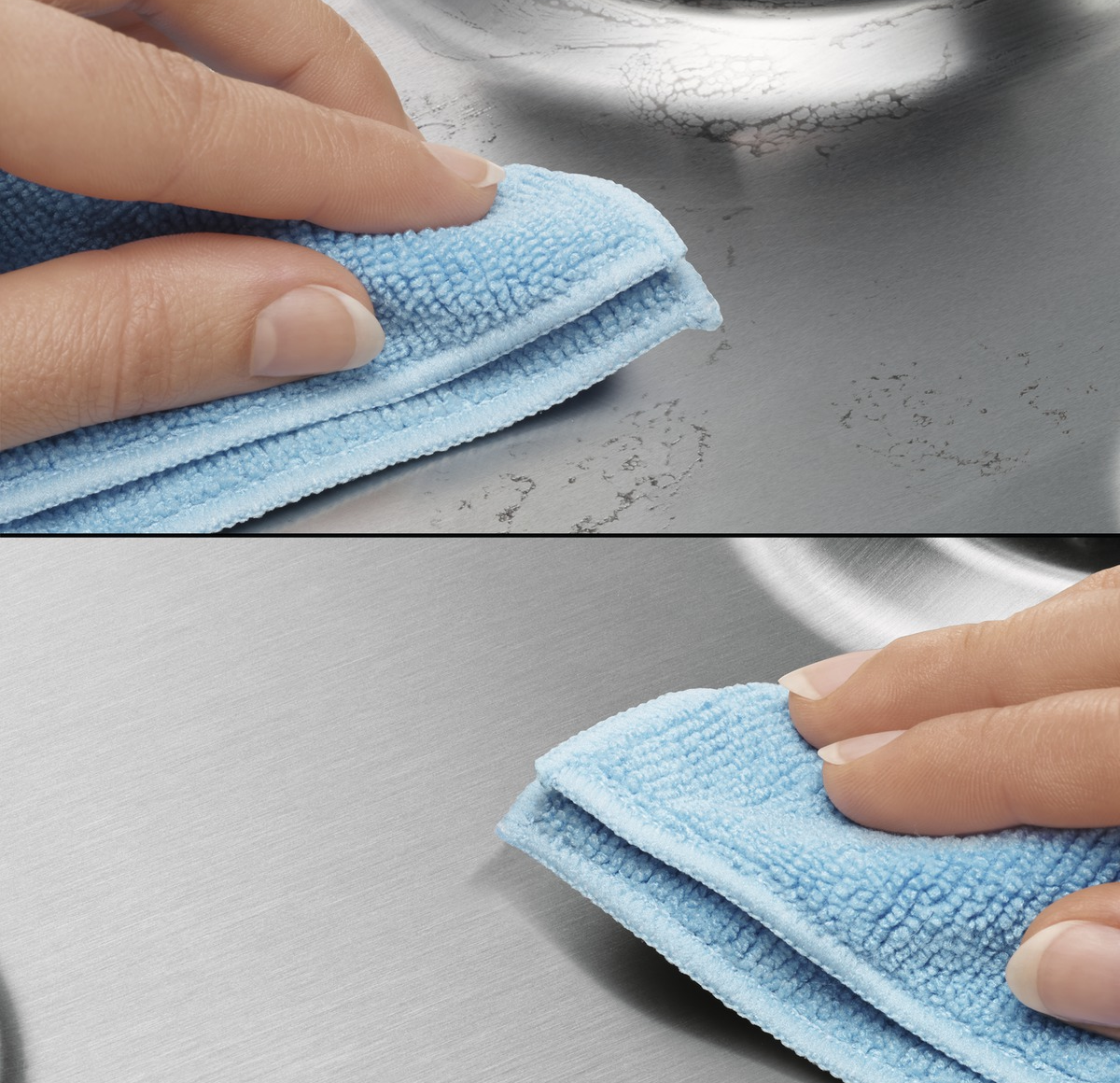
Apply warm soapy water with a soft sponge or cloth and gently clean the cooking surface.
Pay particular attention to areas around the burners, where food and grease can accumulate during cooking.
Once clean, wipe the surface with a damp cloth to remove soap residue, then dry it with a clean microfibre cloth.
Avoid abrasive sponges, sharp tools, or harsh cleaning products unless they are specifically recommended for your cooker’s surface.
Step 3: Clean the Gas Burners
Gas burners can collect grease, food particles, and other residue over time.
To clean them:
- Make sure the cooker is switched off and completely cool.
- Remove the burner caps and other removable burner components.
- Soak suitable removable parts in warm soapy water.
- Gently clean them with a soft sponge or small brush.
- Rinse away any remaining soap.
- Allow all components to dry completely.
- Reassemble the burners correctly before using the cooker.
For burner openings, remove any visible food residue carefully. Do not use sharp objects or anything that could damage or enlarge the openings.
Important: Burner components must be completely dry and correctly positioned before the cooker is used again.
Step 4: Clean the Burner Grates
Remove the burner grates once they have cooled completely.
Soak them in warm soapy water to loosen grease and food residue, then gently scrub them with a soft sponge or brush.
Rinse thoroughly and allow them to dry completely before putting them back on the cooker.
If your cooker has a specific cleaning recommendation for its grates, follow the instructions provided with the appliance.
Step 5: Clean the Cooker Controls
Grease and food residue can also accumulate around cooker knobs and controls.
Wipe them gently with a slightly damp microfibre cloth. Avoid applying excessive water directly around the controls.
For removable knobs, check your appliance instructions before taking them off for cleaning.
Step 6: Clean the Oven and Door
If you have a freestanding cooker with an integrated oven, clean the oven after cleaning the hob.
First, remove loose food debris from the oven interior. Then clean the suitable surfaces using the recommended cleaner and a soft cloth or sponge.
Do not forget the oven door and glass, where grease and food splashes can build up.
For best results, always follow the cleaning instructions for your specific cooker.
How to Clean Different Types of Cookers
The cleaning process is similar for different cooker designs, but the areas you need to focus on can vary.
How to Clean a Freestanding Cooker
A freestanding cooker combines the hob and oven in one appliance, so cleaning usually involves:
- Cooking surface
- Gas burners
- Burner grates
- Cooker controls
- Oven interior
- Oven door
Clean spills from the hob regularly and give the oven a deeper clean when you notice grease or food buildup.
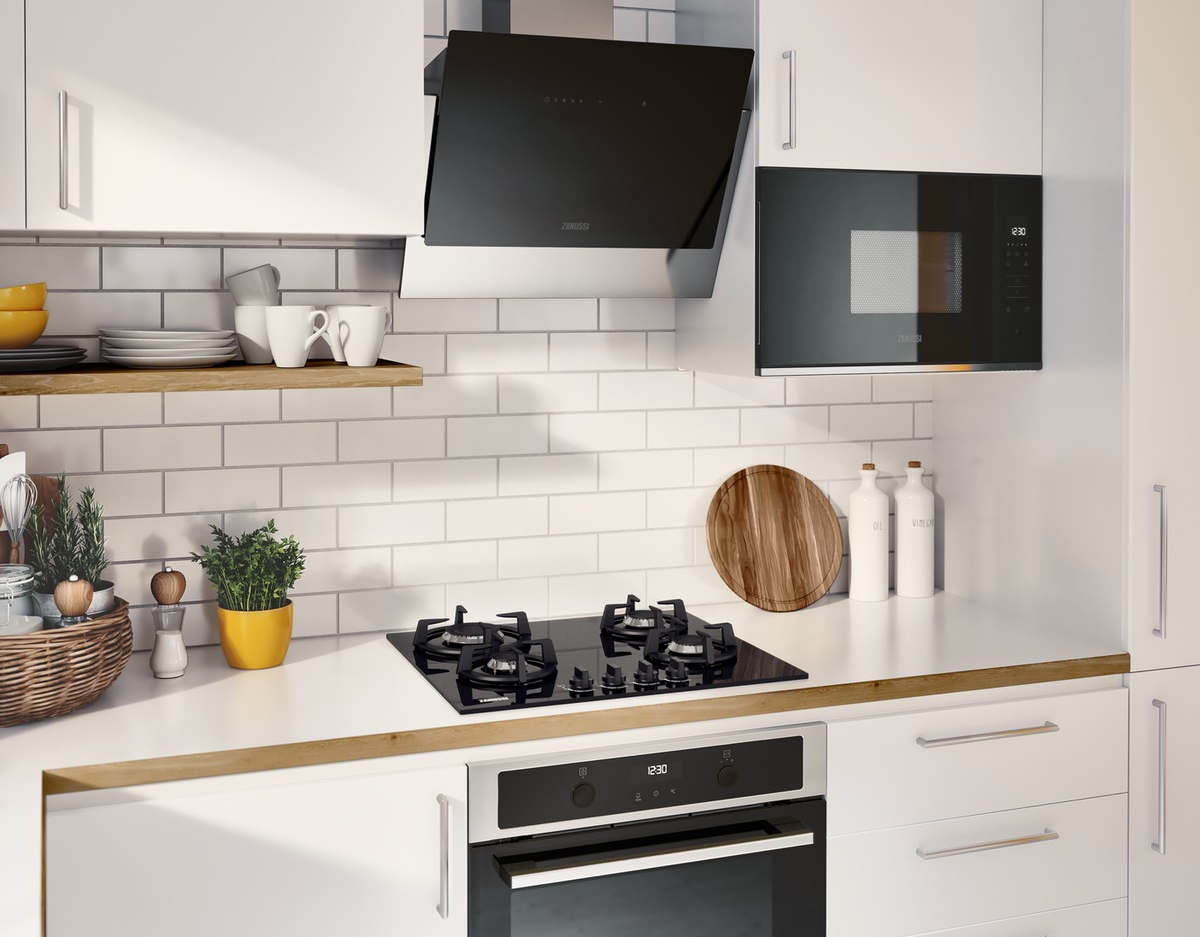
How to Clean a Built-in Gas Hob
A built-in gas cooker is integrated into the kitchen worktop or cabinetry and usually focuses on the gas hob area.
When cleaning, pay particular attention to:
- Gas burners
- Burner caps
- Pan supports
- Cooking surface
- Control knobs
Because built-in cookers can have different surface materials, always use cleaning products suitable for your specific model.
How to Remove Stubborn Grease from a Cooker
For dried or stubborn grease, avoid aggressive scrubbing. Instead, allow the residue to soften first.
- Make sure the cooker is switched off and cool.
- Apply warm soapy water to the affected area.
- Leave it for several minutes to loosen the grease.
- Gently wipe with a soft sponge or cloth.
- Repeat if necessary.
- Dry the surface with a clean microfibre cloth.
For particularly stubborn stains, use a cleaner that is suitable for your cooker’s surface and follow the manufacturer's instructions.
What Should You Avoid When Cleaning a Cooker?
Using the wrong cleaning method can damage the cooker or affect its components. Avoid:
- Cleaning the cooker while it is still hot
- Using abrasive pads on surfaces that can scratch
- Pouring excessive water around controls
- Using sharp objects to clean gas burner openings
- Reinstalling wet burner components
- Mixing different cleaning chemicals
- Using a cleaning product without checking whether it is suitable for the surface
When in doubt, refer to the cleaning and care instructions supplied with your cooker.
How Often Should You Clean Your Cooker?
How often you clean your cooker depends on how frequently you cook and how much grease or food residue is produced.
After cooking: Wipe visible spills once the surface has cooled.
Weekly: Clean the cooking surface, burners, pan supports, and controls as needed.
Monthly: Give the cooker a more thorough clean, including harder-to-reach areas and the oven if applicable.
If you cook frequently or prepare greasy dishes, you may need to clean your cooker more often.
Tips to Keep Your Cooker Clean for Longer
A few simple habits can reduce grease and food buildup:
- Wipe spills after the cooker has cooled.
- Clean burner components regularly.
- Avoid allowing grease to accumulate around the burners.
- Keep the oven free from excessive food residue.
- Use suitable cookware to reduce spills.
- Clean pan supports regularly.
- Follow the manufacturer's care instructions.
Regular light cleaning is usually easier and more effective than waiting until grease has become heavily baked onto the surface.
Why Choose Zanussi Cookers?
Zanussi cookers are designed to combine practical cooking performance with features that make everyday use and maintenance easier.
- Selected Zanussi freestanding cookers feature smooth enamel oven interiors, helping make grease and food residue easier to wipe away.
- For added peace of mind, selected gas cookers feature automatic gas safety, which helps stop the gas supply if the flame goes out unexpectedly.
- Automatic ignition also makes starting the gas burners simple, without the need for manual lighting.
- For households looking for a built-in solution, Zanussi gas cookers offer practical cooking performance in an integrated kitchen design.
Explore Zanussi cookers to find the right model for your kitchen.
FAQs About Cleaning a Cooker
Switch off the cooker and allow it to cool completely. Clean the cooking surface with warm soapy water, then remove and gently clean the burner components and pan supports. Rinse and dry removable parts completely before putting them back.
Allow the cooker to cool completely before removing the burner components. Soak suitable parts in warm soapy water, gently brush away grease and food residue, then rinse and dry them thoroughly before reassembling.
Use warm soapy water to soften the grease before gently wiping it with a soft sponge or cloth. Repeat the process if needed rather than using excessive force or abrasive cleaning tools.
This depends on the cooker surface and manufacturer's recommendations. Before using baking soda or any household cleaning method, check the care instructions for your specific cooker to make sure it is suitable.
Clean gas burners whenever you notice visible grease or food buildup. Regular cleaning helps prevent residue from accumulating and keeps the cooking area easier to maintain.
Always switch off the cooker and allow it to cool completely before cleaning. Keep excessive water away from controls, do not use sharp objects on burner openings, and make sure all removable burner components are completely dry before use.
Validate your login